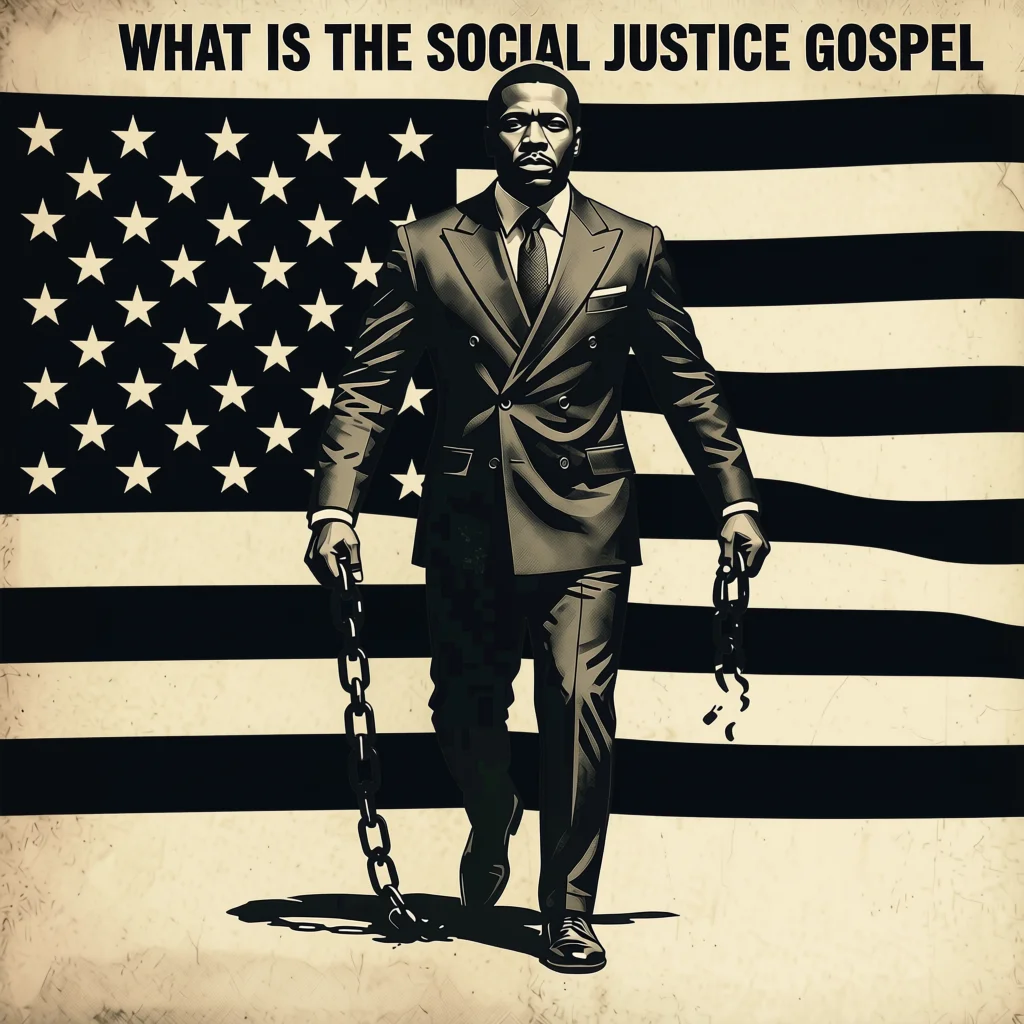
In light of the many discussions concerning social justice, Issues Magazine felt impelled to add its view to the conversations. Many leaders of the Seventh-day Adventist Church have also weighed-in on the dialogues. What has become apparent to this magazine is that there is a great divide between leaders of the Regional Conferences and leaders of the State Conferences. The operational definition of Social Justice is interpreted differently depending on who one may be listening to at the time. However, one may reasonably ask, why the difference in the interpretation? Are these leaders reading from the same Bible? Are all these leaders from the same Seventh-day Adventist denomination?
Could an answer be that members of the Regional conferences look at Social Justice through the eyes of their enslaved ancestors. On the other hand, do members of the State Conferences look at Social Justice through the eyes of their ancestors, who were the slave masters? Slaves and slaves' owners do not share the same perspectives. The slave experienced injustice. However, the owner sees no injustice in his horrific mistreatment of the slave. The slave is looking for a savior. One who will save them from the beatings, the starvations, the submission of the females, and the hangings of their loved ones.
A church leader asked Jesus to identify the most important of the commandment, Jesus replied "The most important commandment is this: 'Listen, O Israel! The Lord our God is the one and only Lord. And you must love the Lord your God with all your heart, all your soul, all your mind, and all your strength.' The second is equally important: 'Love your neighbor as yourself.' No other commandment is greater than these."(Mark 12:29-31NLT) Loving the Lord is the core of the gospel.
What does this love to a neighbor look like? Micah 6:8 clearly states, "O people, the Lord has told you what is good, and this is what he requires of you: to do what is right, to love mercy, and to walk humbly with your God."(NKJV) I contend that the person who would have relieved the injustice experienced by the slave was preaching the gospel. The following text spoken by Jesus Himself clearly outlines the steps of Social Justice, "The Spirit of the Lord is upon Me, Because He has anointed Me To preach the gospel to the poor; He has sent Me to heal the brokenhearted, To proclaim liberty to the captives And recovery of sight to the blind, To set at liberty those who are oppressed; To proclaim the acceptable year of the Lord."(Luke 4:18-19 NKJV)
Here are a few practical ways in which Micah 6:8 can be demonstrated:
- Providing a food basket to a family in need
- Providing an outfit or funds to a family in need of clothes.
- Give a listening ear to someone who is discouraged
- Send a card to cheer a discouraged person
- Participate in a peaceful march to demonstrate your opposition to oppressed illegal laws
- Cutting someone's lawn
- Putting your name on a petition in support of the underprivileged.
The different interpretation by State and Regional conferences is nothing new. In an Adventist Today September 2022 article the following was highlighted:
In 1889, Robert Kilgore, the leader for the evangelic work in the South, said that for the expediency of the gospel, black people should be segregated in the work from white people. Ellen White spoke against this policy, but it was enacted over her objection. The Kilgore policy lasted in the Seventh-day Adventist church from 1890 to 1965.
In the year 1890 the Seventh-day Adventist church voted a policy of racial segregation that lasted for 75 years.
African Americans were not admitted to many Adventist schools during this period. Some schools used a quota system to limit the number of black students that could be admitted.
There were many Adventist institutions that would not hire African Americans, and the few that did also created a quota system of their own by hiring a limited number of African Americans. The Adventist Today article pointed out that many black leaders left the Church because of the denominational posture on giving positions to only whites.
African Americans were also refused medical services at Adventist medical facilities.
Issues Magazine readily admits that there has been progress since those unbelievable practices took place in the Seventh-day Adventist church. However, the Social Justice gospel advocated by Jesus has not gone far enough. That was seen recently after the tragic assassination of Charlie Kirk. Several prominent white members of the Church made statements which blatantly condone the racist position of Charlie Kirk. Where is the gospel of Social Justice seen when support is given to racist ideologies?
Read Ellen White's support of Social Justice, "Christ's method alone will give true success in reaching the people. The Saviour mingled with men as one who desired their good. He showed His sympathy for them, ministered to their needs, and won their confidence. Then He bade them, Follow Me."(The Ministry of Healing, 143. ChS 119.3) The practice of Social Justice is the core of the gospel. If one is not advocating for the relief of suffering, in a demonstrable way, they are missing the core of the gospel. The Bible makes it very clear that our first responsibility is to love God then our neighbor as ourselves. Sitting on the sidelines and just giving lip service to alleviate the suffering is not the gospel. In fact, as Issues Magazine studied the topic of Social Justice, before preaching the Sabbath and baptism, the needs of the suffering should be addressed. Issues sincerely pray that the definition of Social Justice will be recognized as one of the core functions of the gospel.